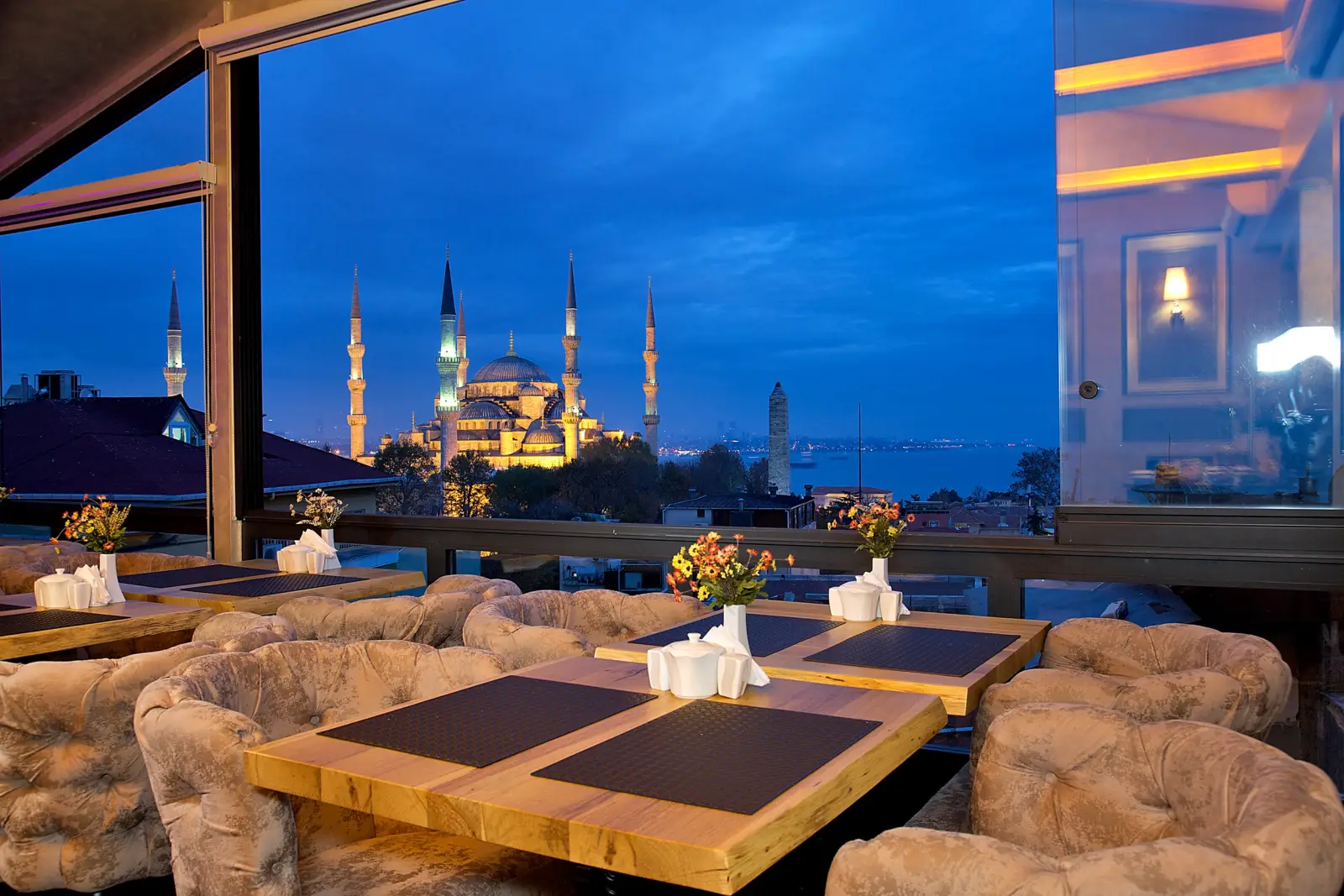
Grand Bazaar Istanbul 2026 — Hours, Prices & Bargaining
Grand Bazaar 2026: open Monday–Saturday roughly 9:00–19:00, closed Sundays, free to enter. Which gate to use, what things cost and how to bargain — from a hotel 10 minutes' walk away.
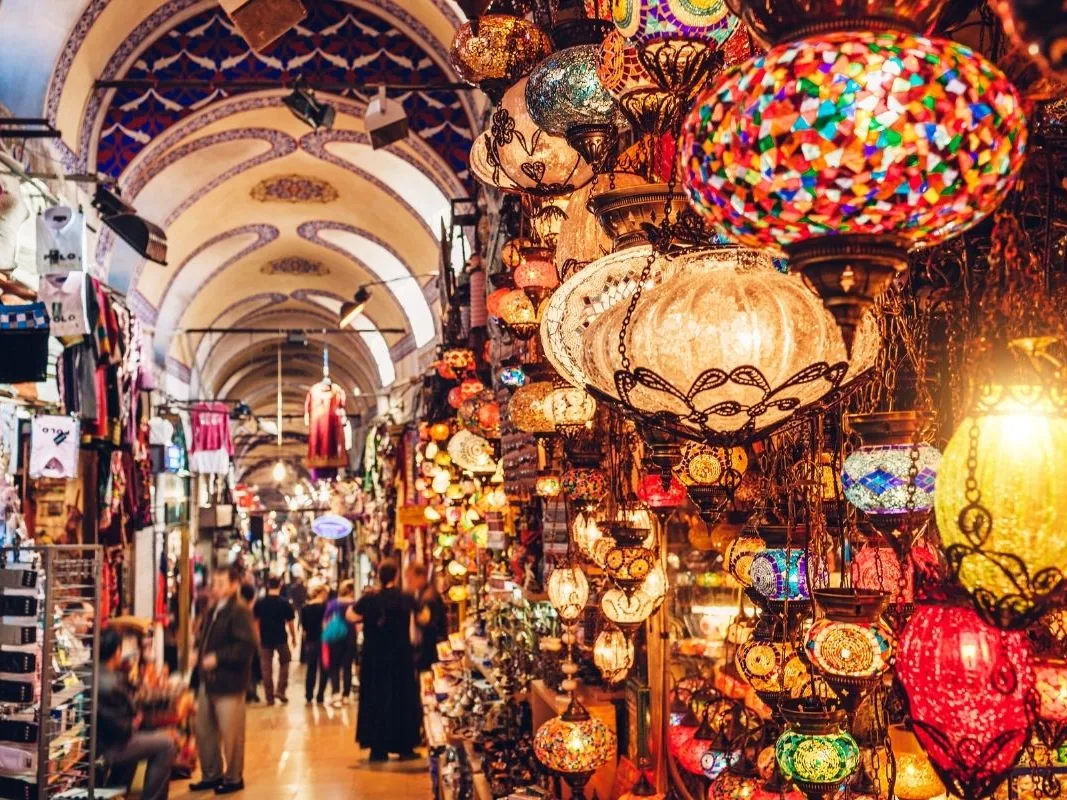
The Grand Bazaar (Kapalıçarşı, "the covered market") is open Monday to Saturday, roughly 9:00–19:00, closed all day on Sundays and on the main religious holidays, and free to enter. Construction began in 1455 under Sultan Mehmed II, and it grew into one of the oldest and largest covered markets in the world: 60-odd streets and around 4,000 shops selling carpets, gold, ceramics, lamps, leather and textiles. It's about a 10-minute walk from our front door in Sultanahmet, so this guide is written from the doorstep — when to go, which gate to use, what things actually cost, and how to bargain without overpaying or feeling awkward. For how it fits with the rest of the city, see our guide to things to do in Istanbul.
Grand Bazaar Opening Hours 2026
- Monday–Saturday: roughly 9:00–19:00. Some gates open from 8:30, and shops keep their own rhythm — many are still setting up at 9:00 and start pulling down shutters from about 18:30.
- Sunday: closed all day. This is the single most common planning mistake. The Spice Bazaar is open on Sundays, so swap the two if Sunday is your only free day.
- Religious holidays: closed on the main days of Ramazan Bayramı (Eid al-Fitr) and Kurban Bayramı (Eid al-Adha). The dates move every year with the lunar calendar, so check them before you plan around the bazaar.
- Entry: free. There is no ticket, and you are under no obligation to buy anything — walking the lanes is the experience.
Quick Summary
- Open: Mon–Sat, about 9:00–19:00 · closed Sundays and religious holidays
- Entry: free
- Best gate: Nuruosmaniye — closest to Sultanahmet, opens onto the main jewellery street
- Time needed: 1.5–3 hours; half a day if you're seriously shopping for a carpet
- Bargaining: expected — counter at around half the first price
- From Sultanahmet: about 10 minutes on foot from Hotel Perula
Frequently Asked Questions
Is the Grand Bazaar open on Sundays? No. It is closed all day on Sundays and on the main religious holidays. The Spice Bazaar at Eminönü stays open on Sundays.
Is the Grand Bazaar free to enter? Yes. There's no ticket or entry fee, and nobody expects you to buy.
How long do you need at the Grand Bazaar? One and a half to three hours for a first visit. If you're buying a carpet, allow half a day — a serious carpet purchase involves tea, a lot of unrolling, and a considered negotiation.
Do you have to bargain at the Grand Bazaar? On most goods, yes — it's expected, not rude. Gold is the exception: it's priced by weight at the day's gold rate, so you compare the per-gram rate rather than haggle the whole price.
Should I pay cash or card? Bring some lira in cash. Smaller stalls prefer it, and paying cash strengthens your hand when you bargain. Larger shops take Visa and Mastercard.
Is the Grand Bazaar safe? Yes. It's busy, so keep the usual big-market awareness in the crowded central lanes, but pickpocketing is rare. The hassle you're more likely to meet is persistent salesmanship, not theft.
Grand Bazaar or Spice Bazaar — which is better? They do different jobs. The Grand Bazaar is for crafts, carpets, jewellery and ceramics; the Spice Bazaar is for edible gifts — spices, Turkish delight, tea and dried fruit. They're a 15-minute downhill walk apart, so most people do both.
Which Gate to Use
The bazaar has more than twenty gates, and the lanes curve enough that it's easy to lose your bearings. Three are worth knowing:
- Nuruosmaniye Gate (east) — the best entrance for a first visit and the closest to Sultanahmet. It opens straight onto Kalpakçılar Caddesi, the bazaar's main jewellery street.
- Beyazıt Gate (west) — beside the Beyazıt–Kapalıçarşı tram stop. Handy if you arrive by T1, or if you're heading on to Süleymaniye Mosque afterwards.
- Mahmutpaşa Gate (north) — leads downhill through the Mahmutpaşa shopping streets towards the Spice Bazaar and Eminönü.
Note the gate you came in by. Each is named over the arch. When it's time to leave, heading for a named gate is far easier than retracing your steps.
How the Bazaar Is Laid Out
Traditional trades are still grouped together, which makes the bazaar far easier to navigate than it first appears:
- Kalpakçılar Caddesi — gold and jewellery, the main artery from the Nuruosmaniye Gate
- Cevahir Bedesteni — the original 15th-century core: antiques, silver, old coins and collectors' pieces
- Sandal Bedesteni — carpets are concentrated around here
- Leather, ceramics, lamps and textiles — each clustered in its own quarter
- The hans — old caravanserai courtyards around the edges, where some workshops still operate and the crowds thin out
The bazaar also runs its own working economy — porters, tea-runners carrying trays of glasses between shops, money changers and small mosques tucked into corners. Stepping off the main lanes into a quieter han is the easiest way to see it.
What to Buy
- Carpets and kilims. The bazaar's signature purchase. Kilims (flat-woven) are lighter, cheaper and easier to carry home than knotted carpets.
- Mosaic lamps. Coloured-glass lanterns in every size — the stalls at night are the bazaar's most photographed sight.
- Ceramics. Iznik-style bowls, plates and tiles. Hand-painted pieces cost several times more than printed ones; look at the back and the brushwork.
- Peştemal. Flat-woven cotton hammam towels — light, useful and one of the best-value souvenirs in the building.
- Leather. Jackets and bags, often made to measure in a day or two.
- Gold and jewellery. Sold by weight at the day's gold rate plus a workmanship charge (işçilik). Compare the per-gram rate in two or three shops before you buy.
What to skip here: spices, Turkish delight and tea. You'll find them in the Grand Bazaar, but the Spice Bazaar has the far bigger range for edible gifts.
What Things Cost — a Rough 2026 Guide
These are typical asking ranges in 2026. Expect to settle below them once you've bargained. Lira prices move with the exchange rate, so treat the euro figures as your anchor.
| Item | Typical asking price | What moves the price |
|---|---|---|
| Small mosaic lamp | €30–110 | Size, hand-cut vs machine glass |
| Small kilim | €90–280 | Handwoven vs machine-made, age |
| Peştemal (hammam towel) | €8–15 | Weave and cotton quality |
| Iznik-style bowl or plate | €5–30 | Hand-painted vs printed |
| Carpets | No useful average | Size, knot density, wool vs silk |
| Gold jewellery | By weight | Day's gold rate + workmanship |
For everything else a trip costs — food, transport and attraction tickets — see our Istanbul costs guide for 2026.
How to Bargain Without the Awkwardness
Bargaining here is a conversation, not a confrontation. A few rules make it easy:
- Ask the price first, then counter at around half. Opening prices are commonly 40–50% above what the seller expects to accept. You'll usually meet somewhere in between.
- Only negotiate for things you actually want. Naming a price and then walking away from an accepted offer is poor form.
- Bundle. Two lamps and a towel from one stall gets a better price than three separate deals.
- Be ready to walk away — politely. A smile and a thank-you is enough. If there was room in the price, you'll often hear a new number before you reach the next stall. If not, the same thing is usually a few shops along.
- Cash helps. Offering lira in cash is a legitimate reason for a better price.
About the tea: carpet shops will almost always offer you a glass of tea. It's genuine hospitality and accepting doesn't oblige you to buy — but a long sit-down tea usually comes before the carpets start unrolling. Enjoy it on those terms.
Hassles Worth Knowing About
- The friendly guide outside. A stranger who strikes up a conversation near the bazaar and offers to walk you to "a cousin's shop" is usually earning a commission — which ends up in your price. Politely decline and choose your own shop.
- Too-cheap "silk". Real silk carpets and pashminas are expensive. If a price seems impossible, the material probably isn't what you're told.
- Counterfeit designer goods. Common in the side lanes. They're cheap for a reason, and bringing them home can cause problems at customs.
- Genuinely old pieces. Antique carpets, old coins and artefacts fall under Turkish export rules. A reputable dealer provides the paperwork; if a seller can't, don't buy.
Getting There from Sultanahmet
On foot (about 10 minutes from Hotel Perula): walk up to Çemberlitaş and the Column of Constantine, then follow Vezirhan Caddesi to the Nuruosmaniye Mosque — the bazaar's Nuruosmaniye Gate is right behind its courtyard. This is the easiest way in, and there's no reason to take transport.
By tram: the T1 runs two stops west from Sultanahmet, via Çemberlitaş, to Beyazıt–Kapalıçarşı, beside the Beyazıt Gate. Useful if you're coming from further away; from Sultanahmet, walking is quicker. Our Istanbulkart guide covers fares and how to pay.
A Half-Day Bazaar Route
- Morning, Nuruosmaniye Gate — straight down Kalpakçılar Caddesi, then into the Cevahir Bedesteni
- Lose yourself for an hour or two — carpets around the Sandal Bedesteni, lamps and ceramics in their quarters, a quiet han for a tea break
- Leave by the Beyazıt Gate and walk 10 minutes uphill to Süleymaniye Mosque — free to enter, with one of the best free views over the Golden Horn from its terrace
- Walk downhill through the Mahmutpaşa market streets to the Spice Bazaar (about 15 minutes)
- End at the Galata Bridge at sunset — and, if you still have energy, cross it to the Galata Tower
For where this day fits in a longer stay, see our 3-day Istanbul itinerary.
From Our Door
Hotel Perula sits in the heart of Sultanahmet, about 10 minutes' walk from the Grand Bazaar and 2 minutes from the Blue Mosque. Guests ask our reception about the bazaar every day — which gate, which lanes, whether a price sounds fair — and we're happy to help you plan a visit before you go. If you're still deciding where to base yourself, here's what a hotel in Sultanahmet costs in 2026. See our rooms, or check dates and rates.
Summary
- Hours: Monday–Saturday, roughly 9:00–19:00; closed Sundays and religious holidays
- Entry: free — buying is optional
- Best gate: Nuruosmaniye, closest to Sultanahmet
- Buy here: carpets, kilims, lamps, ceramics, peştemal, leather, gold
- Buy elsewhere: spices and sweets — the Spice Bazaar does them better
- Bargaining: counter at about half, bundle, and be ready to walk away politely
- Gold: compare the per-gram rate, not the total price
- Getting there: about 10 minutes on foot from Hotel Perula
Stay 3 Minutes from Hagia Sophia
Hotel Perula is a boutique hotel in the heart of Sultanahmet — rooftop breakfast terrace with Blue Mosque views, 4.4★ from 520+ Google reviews, and every landmark in this guide within walking distance.
10% Below Our Booking.com Rate — Non-refundable rate, booked directly with us.
More Guides
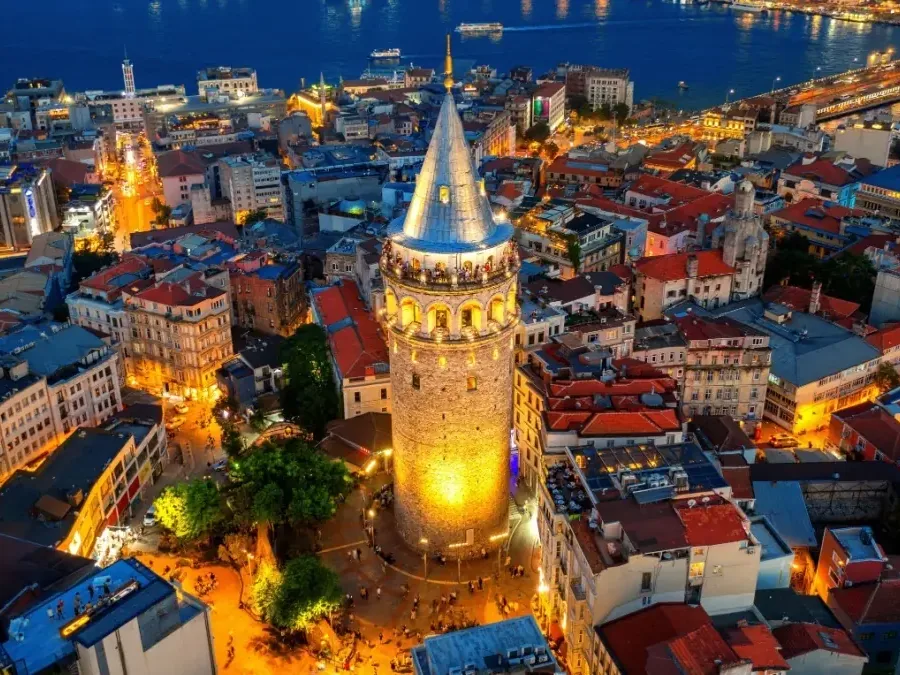
Galata Tower 2026 — €30 Tickets, Hours & Is It Worth It?
Galata Tower 2026: €30 entry, a day session 08:30–18:15 and a night session 19:00–23:00, open every day. When to go, how to skip the worst queues, and how to get there from Sultanahmet.
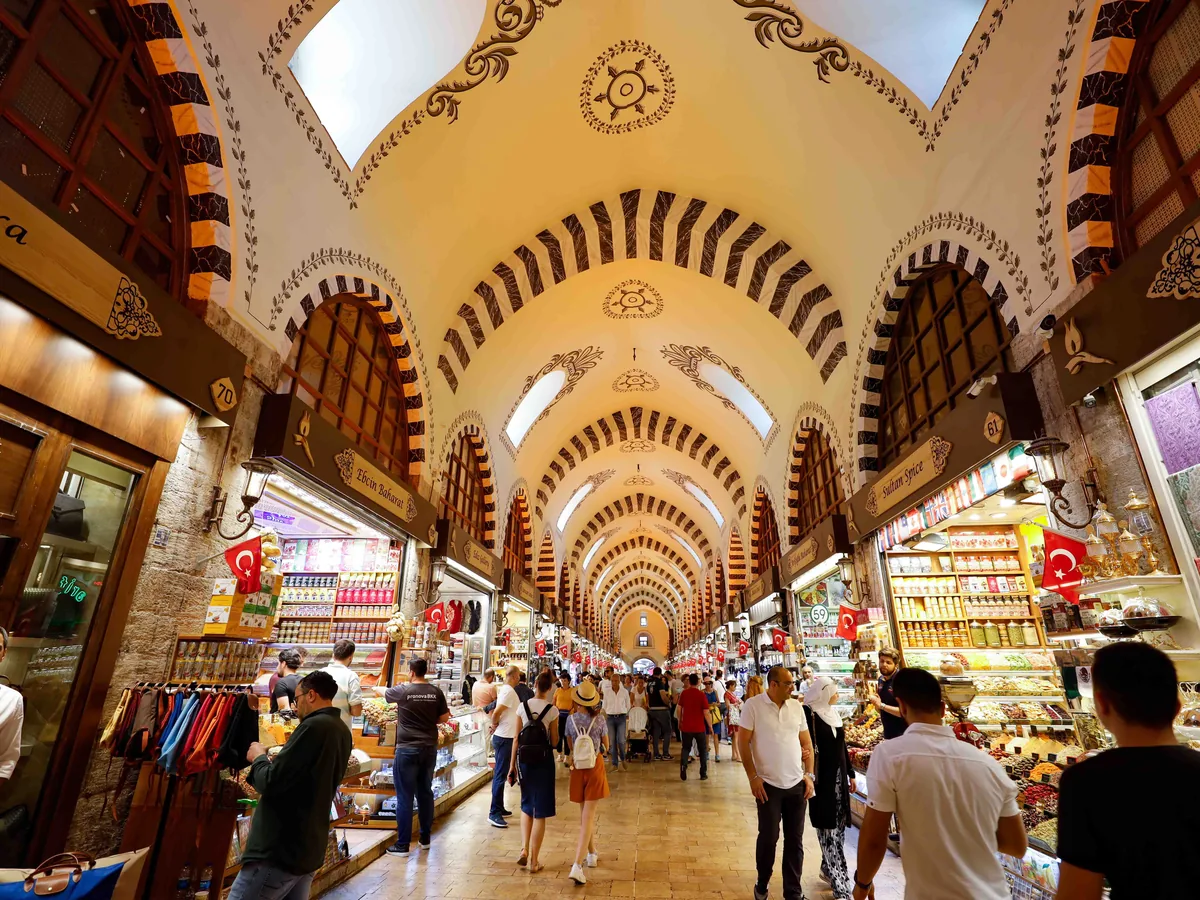
Spice Bazaar Istanbul 2026 — Hours, What to Buy, Prices
Spice Bazaar (Egyptian Bazaar) 2026: open every day including Sundays, free to enter. What to buy, what it should cost, how to bargain, and how to get there from Sultanahmet.
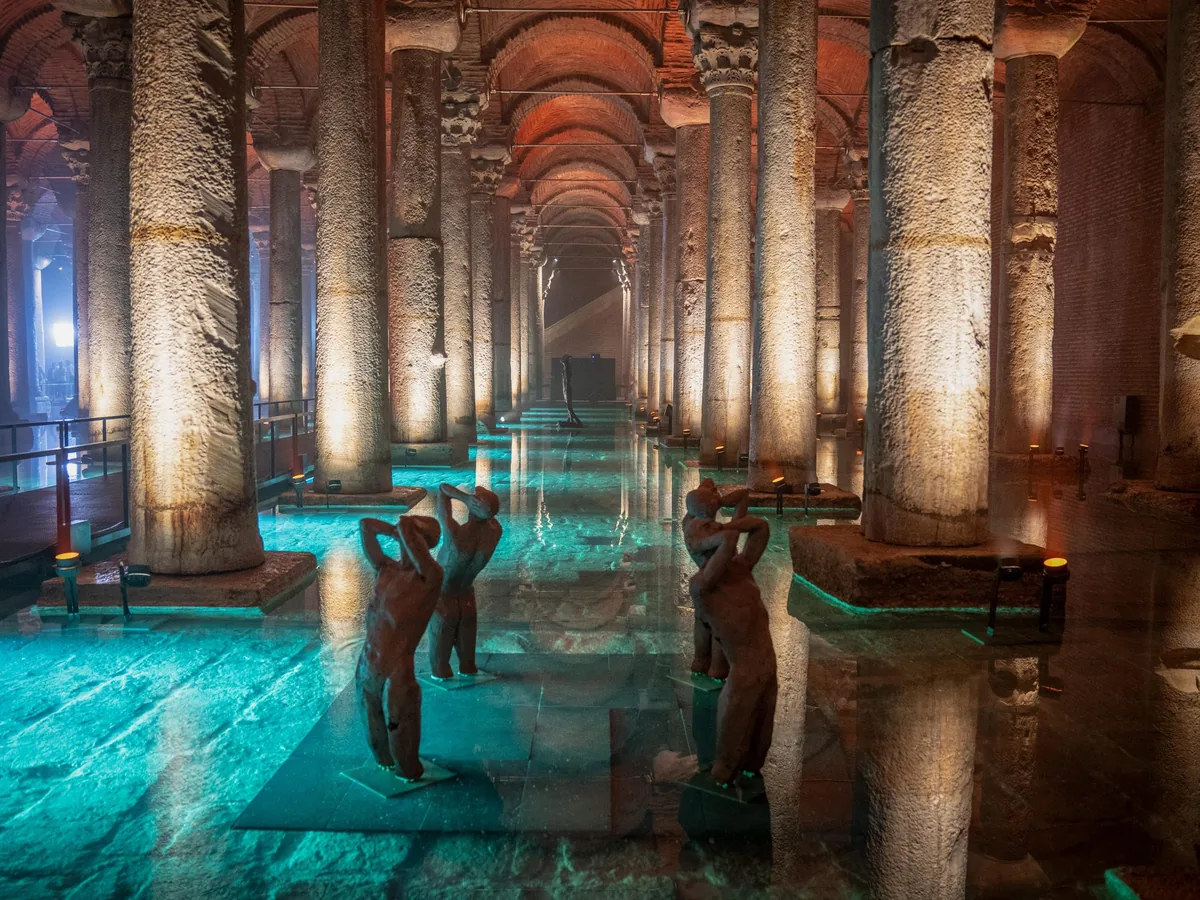
Basilica Cistern 2026 — Tickets, Hours & Medusa Heads
Basilica Cistern 2026: 30 EUR daytime, 45 EUR evening, open daily 9:00–18:30. Where the Medusa heads are, and whether it's worth it.